The United Arab Emirates and Saudi Arabia play a central role in facilitating trade routes across Asia, Europe, and Africa. Their geographic positioning, infrastructure investment, and regulatory reforms have positioned both countries as key gateways for regional and international cargo movement.
Efficient shipping between the UAE and Saudi Arabia supports cross-border distribution, industrial supply chains, and re-export operations throughout the Gulf region. Their combined logistics capabilities contribute significantly to regional economic diversification and trade expansion.
Located at the crossroads of major global trade corridors, the UAE provides direct access to international sea and air routes. Saudi Arabia, with its vast landmass and access to both the Red Sea and the Arabian Gulf, connects regional markets and supports large-scale industrial activity.
This geographic advantage enables faster transit times, improved route optimisation, and efficient redistribution of goods across the Middle East.
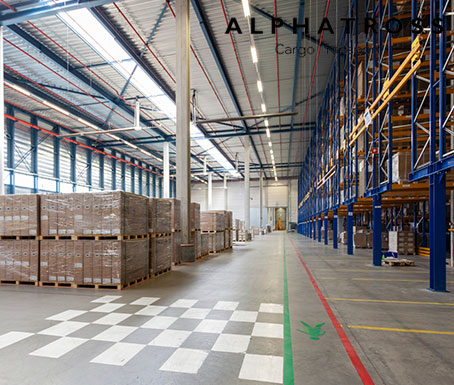
Modern warehousing infrastructure strengthens supply chain performance in both countries. Facilities typically include:
Strategically positioned warehouses allow businesses to store goods closer to demand centres, reducing delivery times and improving inventory turnover.
Free zones in the UAE and Saudi Arabia provide structured environments for international trade. These zones allow foreign ownership, simplified licensing procedures, and streamlined customs processing.
Goods stored in free zones can be re-exported without entering the local market, subject to compliance with customs regulations. This framework enhances operational flexibility while maintaining regulatory oversight.
Ongoing economic reforms, digital licensing systems, and customs modernisation initiatives continue to improve trade efficiency across both markets.
Infrastructure development is a defining strength of both countries.
Major seaports such as Port of Jebel Ali and King Abdulaziz Port provide advanced container handling, bulk cargo facilities, and global connectivity.
Air freight operations are supported by hubs such as Dubai International Airport and King Khalid International Airport, both equipped to handle high cargo volumes efficiently.
Extensive highway systems connect industrial zones, ports, and neighbouring GCC countries. Expanding railway networks further enhance cargo movement between industrial and distribution hubs.
The integration of road, rail, sea, and air transport enables multimodal logistics solutions, improving reliability and reducing transit risk.
Digitalisation has strengthened logistics efficiency across both countries. Automated customs clearance systems, electronic documentation platforms, and real-time cargo tracking improve transparency and reduce administrative delays.
Technology adoption also supports predictive planning, risk mitigation, and improved coordination between logistics stakeholders.
Cross-border shipping between the UAE and Saudi Arabia depends on coordinated customs procedures and regulatory compliance. Professional logistics providers manage documentation, licensing requirements, and transport planning to minimise disruption.
Structured compliance processes and trained logistics teams ensure consistent cargo movement across borders.
The UAE and Saudi Arabia have developed integrated logistics ecosystems built on geographic advantage, modern infrastructure, regulatory reform, and digital innovation. Their combined strengths support regional distribution networks and global trade connectivity.
Businesses seeking reliable Middle East supply chain solutions benefit from structured logistics planning and professional cross-border coordination.
Contact our logistics specialists today to develop an efficient, compliant, and scalable shipping solution across the UAE and Saudi Arabia.


