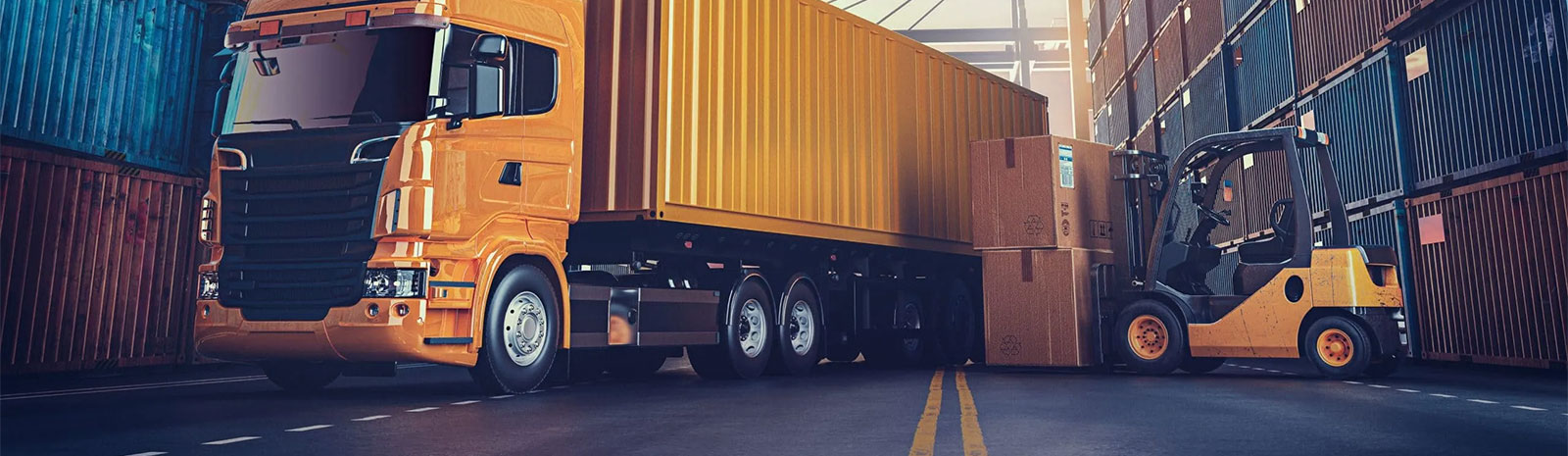
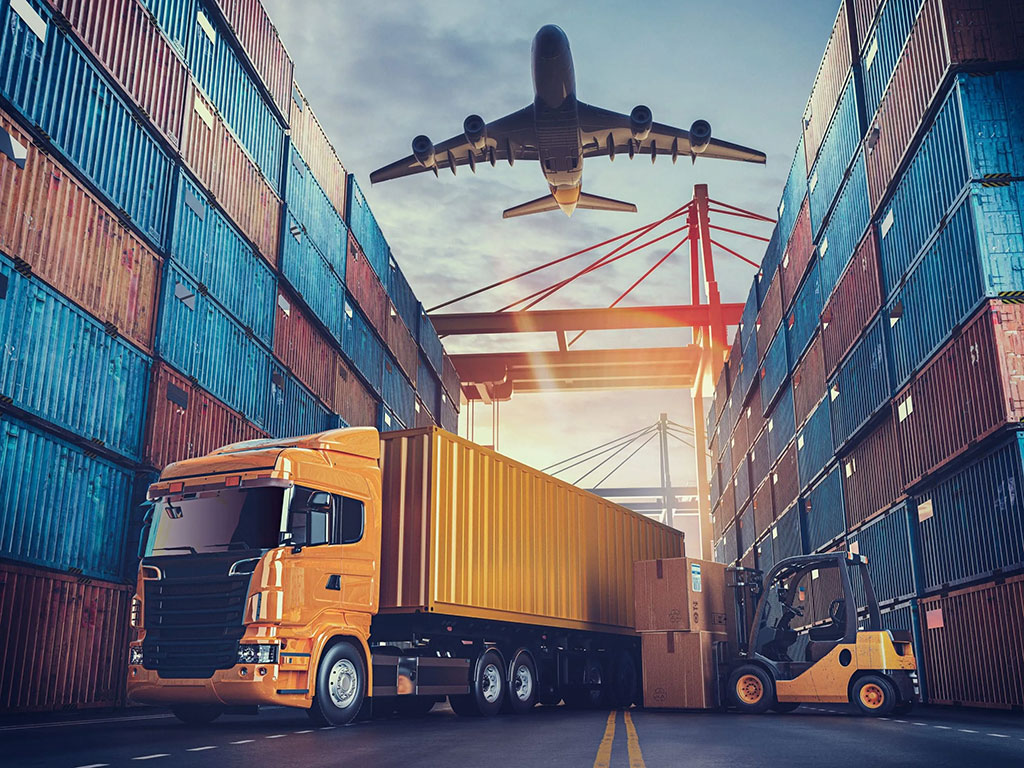

Shipping functions as the fundamental mechanism which enables international trade because it provides the essential service of moving products and raw materials between different countries and across international borders. The shipping industry is able to connect multiple manufacturers, suppliers, distributors, and consumers across international markets.
In the highly interconnected economy, it is important to understand that efficient shipping systems and logistics operations are going to be essential to ensure that products are delivered safely, and that too on time within a reasonable cost.
At the same time, it is important to understand that from cargo handling to documentation and customs clearance for transportation networks, shipping is a complex process that supports the flow of global commerce.
The shipping industry delivers vital services which multiple sectors require to conduct their worldwide commerce activities. International businesses rely on shipping companies and logistics providers to transport their raw materials, finished products, and industrial equipment across different nations. Shipping services enable companies to transport their goods through ocean, air, and land routes, which support their supply chain operations and international business functions.
The entire global freight business relies on maritime shipping services because these services offer a reliable method for transporting heavy cargo across vast distances. Containerised shipping has brought about a global trade transformation because it established standardised cargo handling procedures, which allow ports around the world to operate more effectively.
The air freight industry provides essential services which enable the transportation of high-value products that require immediate delivery and perish quickly. The system provides faster transportation options while establishing international market connections through its main international airport facilities.
International shipping needs fundamental procedures which permit cargo transport while meeting international trade requirements.
The shipping process starts with its initial phase which requires cargo booking and movement planning. Companies choose their shipping routes and delivery times through freight forwarders or shipping companies, which handle their product shipments. The process requires the selection of a suitable container type or cargo packaging materials, which depend on the specific shipment details.
International shipping operations depend on two essential elements which include required documentation and the need to follow international compliance rules. Shipments require specific documents which include commercial invoices and packing lists, bills of lading, and certificates of origin.
Customs authorities authenticate shipments through these documents which enable them to verify compliance with international trade regulations.
Cargo handling and loading are the primary thing that occurs in ports, airports, or logistics hubs. The advanced cargo handling equipment functions together with container management systems to establish an all-inclusive system which enables efficient operations for loading, storage, and transfer activities.

The shipping process achieves its effective operation because it utilises advanced logistics systems, which handle the following:
Digital platforms enable supply chain management systems to deliver shipment tracking capabilities which logistics providers use to build efficient transportation routes. The shipping process allows businesses to monitor their cargo movements starting from the warehouse departure until the goods reach their final delivery point.
The transparent system enables companies to establish their inventory requirements while they organise their delivery times and handle unexpected events that disrupt operations.
Warehouse management systems enable shipping operations by controlling the efficient storage, sorting, and transportation preparation of goods. The systems provide accurate inventory data which enables businesses to fulfil customer orders at a rapid pace.
The shipping industry depends on logistics operations as its fundamental support system. The supply chain operations require businesses to execute three essential processes which include planning and implementing their operations. The logistics team handles multiple responsibilities, which include managing transportation operations, customs processing, storage operations, and final product delivery.
Multimodal transportation is commonly used in global shipping, where goods are transported using a combination of sea, air, rail, and road networks. For example, a shipment may travel by sea from one country to another, then be transported by truck to a distribution centre before reaching its final destination.
Customs clearance is another important part of logistics operations. Every country has established particular guidelines which logistics companies use to confirm their shipments comply with these import and export regulations. Customs operations become more efficient when they enable supply chains to operate continuously by eliminating any potential delays.
International trade operations achieve better results through improved shipping methods, which use technological advancements to create more efficient shipping processes. Companies reduce their operational costs by using automated port operations, digital documentation systems, and AI-powered logistics platforms which improve their operational accuracy.
Shipping companies use smart containers and IoT-enabled tracking systems to monitor cargo conditions (which include temperature, humidity, and location information) throughout the shipping process. The development of these innovations plays a crucial role in transporting sensitive products which include pharmaceutical items and food products.
Shipping functions as the fundamental element which enables international trade because it allows products to travel between different global markets. The international shipping industry operates its organised shipping system with advanced logistics technology to establish a smooth process which supports international trade activities.
The expansion of global trade will create demand for new shipping and logistics technologies which will improve supply chain efficiency and the reliability of supply chains and connections between international businesses.


