

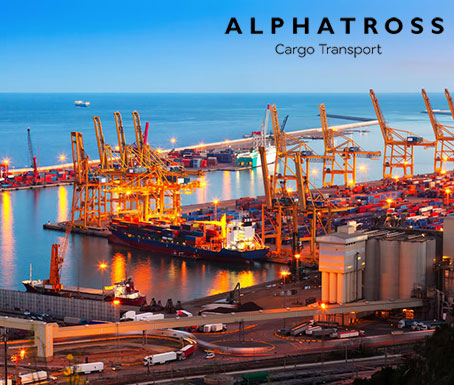
The United Arab Emirates has established itself as a global maritime and logistics hub, supported by advanced port infrastructure, integrated free zones, and strong inland connectivity. The country’s commercial ports facilitate containerised, bulk, and project cargo movements across the Middle East, Asia, Europe, and Africa.
Below is a structured overview of the leading commercial ports and their strategic advantages for regional and international trade.
Jebel Ali Port
Located in Dubai, Jebel Ali Port is the region’s largest container port and a key gateway for trade between the Gulf Cooperation Council (GCC) markets. It is directly integrated with Jebel Ali Free Zone, enabling streamlined customs procedures, warehousing, and re-export operations.
Key strengths:
Jebel Ali is particularly suitable for high-volume container shipments and cross-border road transport.
Khalifa Port
Khalifa Port serves as Abu Dhabi’s primary deep-water port and supports containerised, bulk, and general cargo. Its proximity to industrial zones reduces inland transport time and cost.
Key strengths:
Khalifa Port is well suited for industrial cargo and large-scale commercial imports and exports.
Port Rashid
Port Rashid supports general cargo, roll-on/roll-off (RoRo), and cruise operations. Its central Dubai location provides accessibility for specific freight requirements and short-haul distribution.
Key strengths:
Zayed Port
Formerly known as Mina Zayed, Zayed Port handles general cargo and specialised maritime projects. It continues to serve breakbulk and project cargo requirements.
Key strengths:
Khalid Port
Khalid Port is a multipurpose port strategically located near Sharjah’s industrial zones. It handles containers, general cargo, and bulk shipments.
Key strengths:
Hamriyah Port
Hamriyah Port is designed for heavy, oversized, and bulk cargo, supporting the manufacturing and energy sectors.
Key strengths:
Port of Fujairah
Situated on the UAE’s eastern coast outside the Strait of Hormuz, the Port of Fujairah specialises in bulk cargo and bunkering operations.
Key strengths:
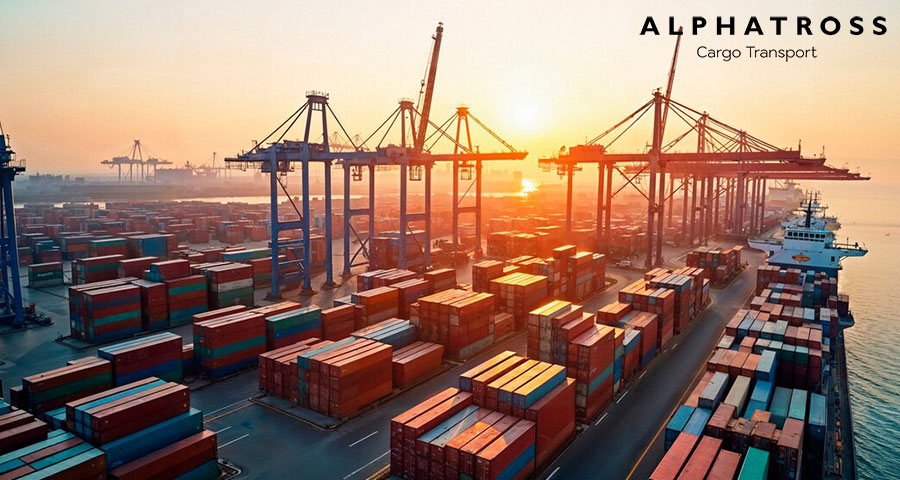
The UAE’s ports are supported by advanced customs systems, free zones, and multimodal transport networks. After vessel discharge, cargo is efficiently transferred to road or rail networks, facilitating timely deliveries across the GCC, including cross-border shipments to Saudi Arabia. Digital scheduling, inspection systems, and documentation platforms help prevent unnecessary delays and maintain supply chain transparency.
The UAE’s leading ports collectively offer diversified cargo handling capabilities, advanced technology integration, and seamless multimodal connectivity. Whether managing containerised freight, bulk commodities, or project cargo, businesses benefit from structured port operations and reliable regional access.
Selecting the appropriate port depends on cargo type, destination, volume, and regulatory requirements.
Consult our logistics specialists to determine the most efficient port, optimise routing, and ensure smooth customs and inland transport coordination for your cargo.
The author is a logistics and freight management specialist with experience in UAE port operations, cross-border transport, and supply chain optimisation across the GCC region. Their expertise includes customs coordination, multimodal freight planning, and maritime infrastructure analysis.


