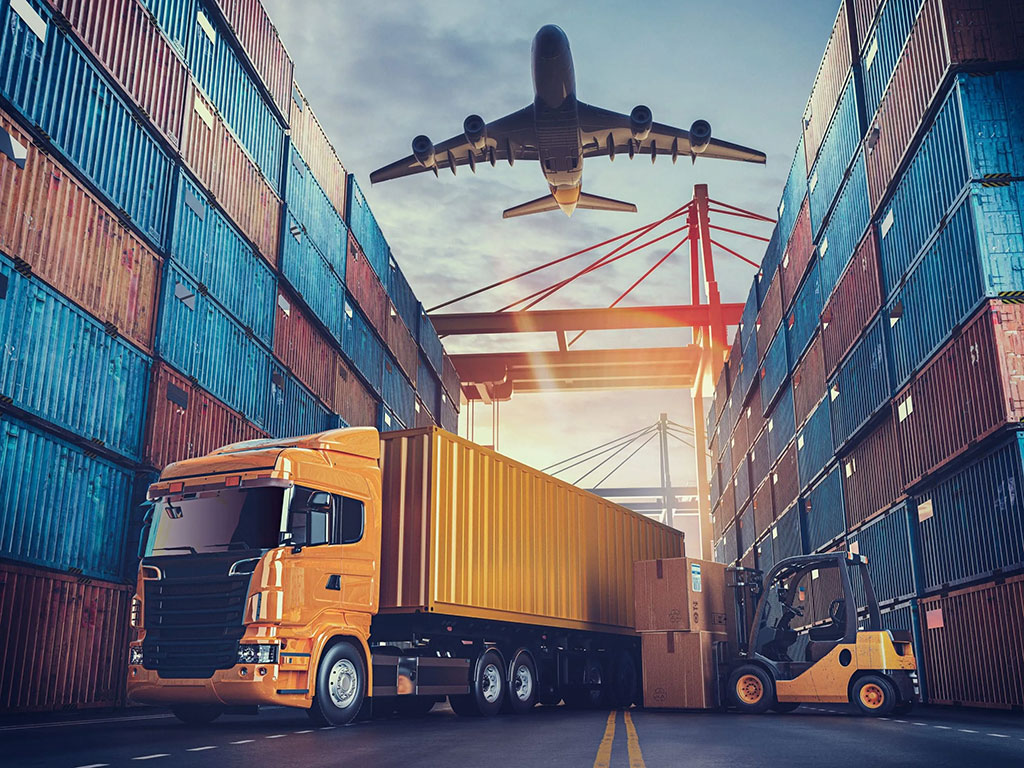
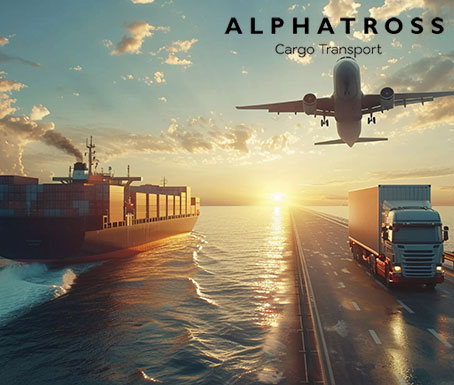
The United Arab Emirates has established itself as a global logistics gateway, connecting trade routes across Asia, Europe, Africa, and the Middle East. Its strategic geographic position, advanced infrastructure, and integrated transport networks make it a central hub for international freight forwarding.
For businesses engaged in import and export activities, selecting the appropriate mode of transport—air, sea, or land—is essential to balancing cost, speed, and operational efficiency. Understanding how each freight option functions enables more informed supply chain decisions.
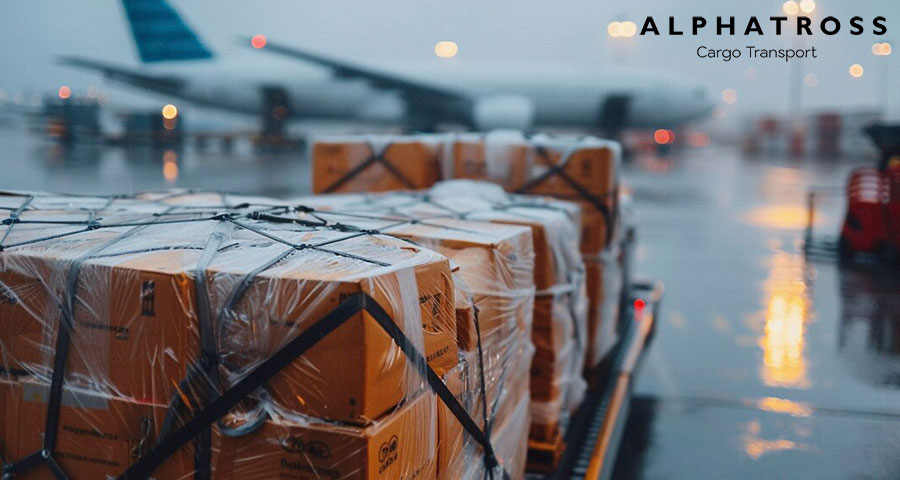
Air freight is the fastest method of international cargo transportation. Major aviation hubs such as Dubai International Airport and Zayed International Airport handle substantial global cargo volumes through advanced terminals and streamlined customs systems.
Air freight is commonly used for electronics, pharmaceuticals, perishables, spare parts, and other high-value or time-sensitive goods. While it carries higher transportation costs compared to sea or land freight, the speed and predictability often justify the investment when delivery timelines are critical.
Sea freight remains the backbone of global trade, transporting the majority of international cargo by volume. Ports such as Port of Jebel Ali offer extensive container handling facilities and connectivity to major global markets.
Sea freight supports:
Although transit times are longer, sea freight provides significant cost savings and scalability for bulk shipments. Freight forwarders typically manage container booking, consolidation, customs documentation, and inland distribution.
Land transport plays a vital role in regional trade, particularly within the Gulf Cooperation Council (GCC). The UAE maintains strong road links with neighbouring countries, including Saudi Arabia and Oman.
Land freight solutions include:
Modern highway infrastructure and coordinated border procedures support efficient cross-border distribution. Land freight is frequently integrated with sea or air transport as part of multimodal logistics strategies.
Selecting the right transport mode depends on several operational factors:
A professional freight forwarder evaluates these variables to design an efficient, compliant logistics solution.
Despite advanced infrastructure, businesses may encounter:
Experienced freight forwarders mitigate these risks through structured planning, documentation control, and proactive coordination with customs authorities.
The UAE’s integrated air, sea, and land logistics networks provide businesses with flexible and scalable freight forwarding solutions. Each transport mode serves a distinct operational purpose, and selecting the right combination enhances supply chain resilience and cost efficiency.
Strategic freight planning is essential for maintaining reliable global trade operations.
Contact our freight forwarding specialists today to develop a tailored air, sea, or land transport solution that aligns with your operational goals and delivery requirements.


